In the realm of sustainable water management, solar-powered water pumps have emerged as a revolutionary solution for maintaining aquatic ecosystems efficiently and eco-consciously. A common concern among users revolves around the functionality of these pumps in varying weather conditions, particularly on cloudy days. In this comprehensive guide, we delve into the role of batteries in solar-powered water pump systems, focusing on their capacity to ensure continuous operation regardless of weather conditions, shedding light on the innovative solutions like the Poposoap solar-powered water fountain.
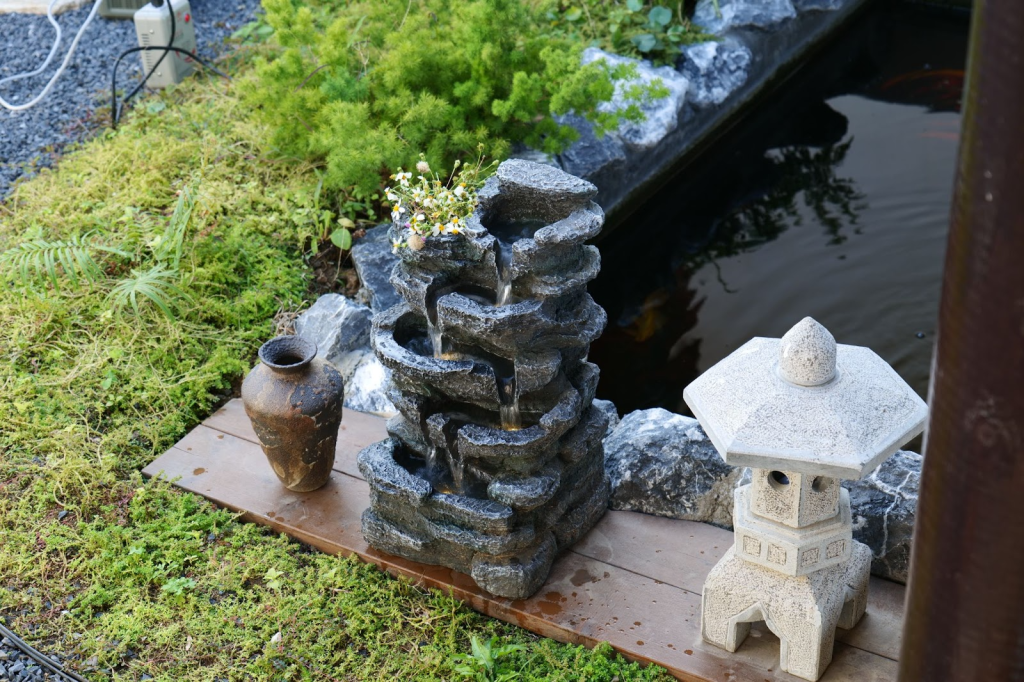
Understanding Solar-Powered Water Pump Systems
Solar-powered water pumps harness energy from the sun to circulate water in ponds, fountains, and other water features. They consist of solar panels that convert sunlight into electricity, powering the pump to maintain water movement and aeration essential for aquatic life.
The Role of Batteries in Solar-Powered Systems
Batteries are integral components of solar-powered water pump systems, serving as energy storage units that store excess energy generated by solar panels. These batteries ensure continuous operation even when sunlight is insufficient, such as during cloudy or nighttime conditions.
Overcoming Cloudy Days with Battery Backup
Cloudy days pose a challenge to solar-powered systems as reduced sunlight can impact energy generation. However, batteries come to the rescue by storing surplus energy during sunny periods, enabling the pump to operate seamlessly during low-light conditions.
Types of Batteries for Solar-Powered Water Pumps
- Lead-Acid Batteries: Traditional lead-acid batteries are cost-effective and widely used in solar applications. They are reliable for energy storage but require regular maintenance and have a shorter lifespan compared to other battery types.
- Lithium-Ion Batteries: Lithium-ion batteries are gaining popularity due to their high energy density, longer lifespan, and lower maintenance requirements. They are well-suited for solar-powered systems that require efficient energy storage.
- Gel Batteries: Gel batteries are maintenance-free and offer enhanced durability and deep-cycle capabilities, making them ideal for solar applications where reliability is crucial.
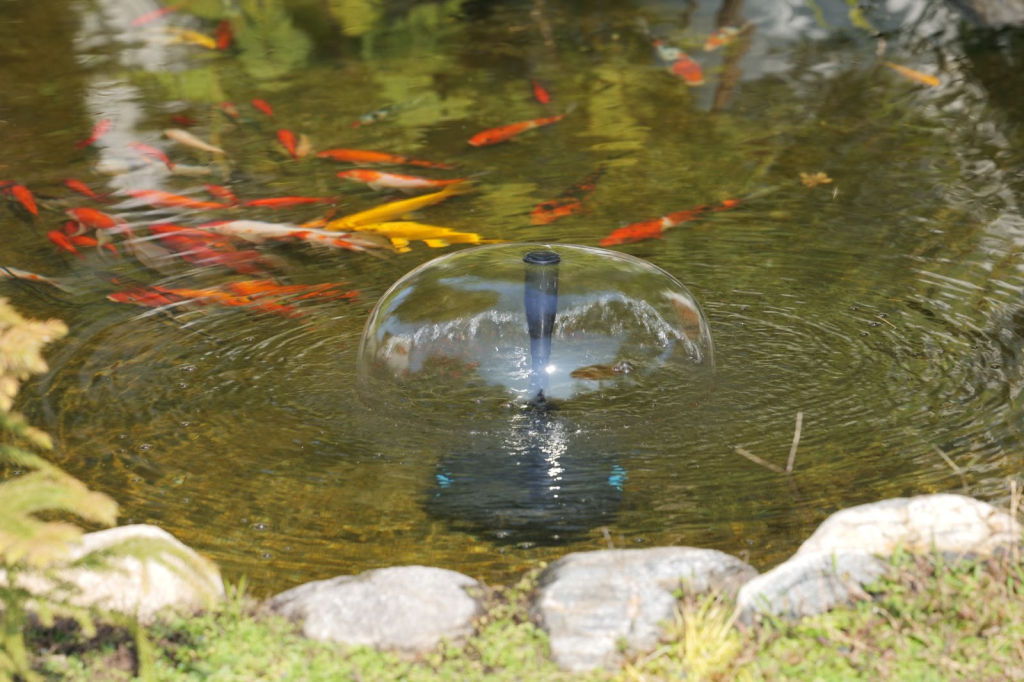
Enhancing Reliability with Poposoap Solar-Powered Water Fountain
The Poposoap solar-powered water fountain exemplifies the latest advancements in sustainable water management solutions. Equipped with efficient solar panels and a high-capacity battery, this fountain ensures consistent operation regardless of weather conditions, providing a reliable and eco-friendly water feature for ponds and gardens.
Maximizing Efficiency and Sustainability
By combining solar-powered water pumps with high-quality batteries like those featured in the Poposoap solar water fountain, pond owners can maximize the efficiency and sustainability of their water features. These systems not only reduce energy costs and environmental impact but also promote self-sufficiency and resilience in water management practices.

Conclusion
In conclusion, the integration of batteries in solar-powered water pump systems is essential for ensuring uninterrupted operation and overcoming challenges posed by varying weather conditions. By selecting the right type of battery and harnessing innovative solutions like the Poposoap solar-powered water fountain, users can enjoy the benefits of sustainable water management regardless of sun or cloud. Embracing these technologies not only enhances the functionality and reliability of water features but also contributes to a greener and more resilient approach to water conservation and ecosystem maintenance.
 Tyot Blog
Leave a comment