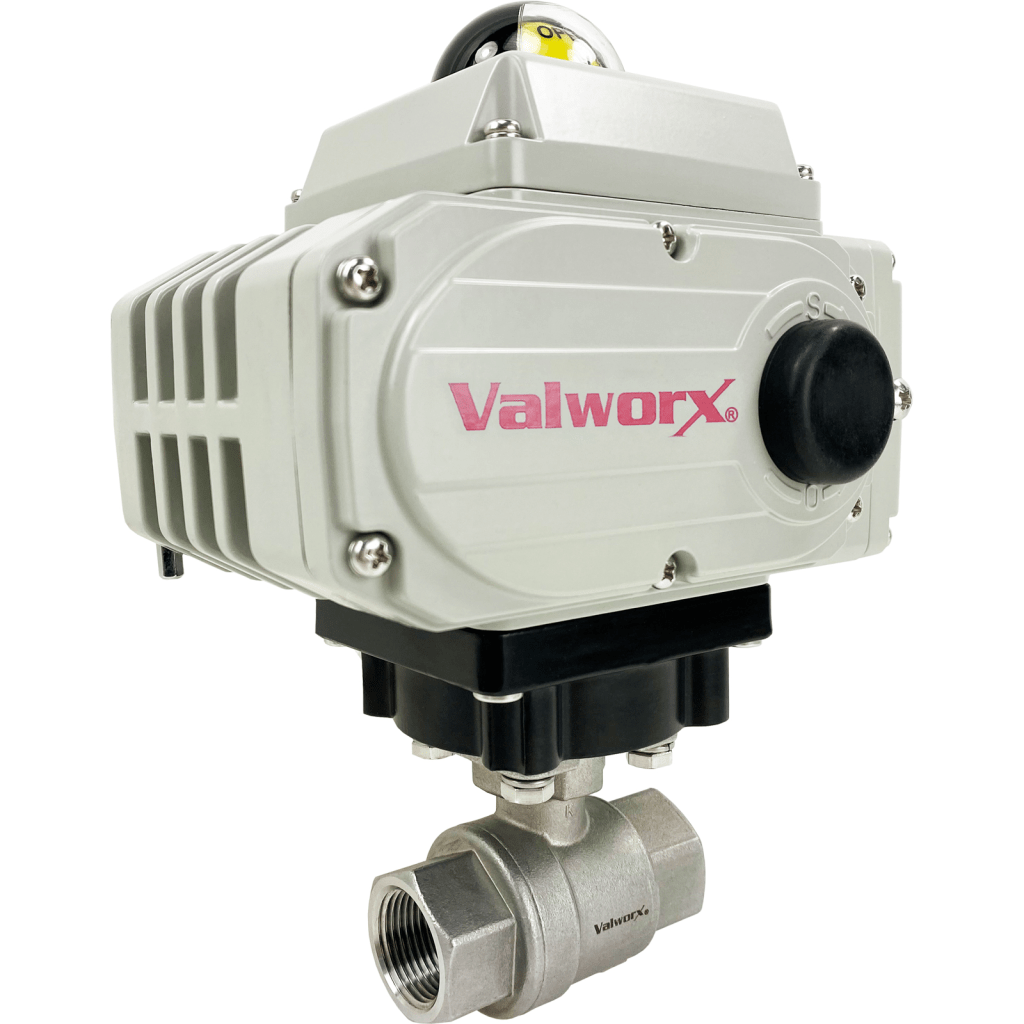
The domain of automation and control systems has witnessed significant advancements over the years. One such crucial component that has transformed this landscape is the pneumatic actuator. Especially, the pneumatic actuator with a manual override, also known as a pneumatic/manual actuator combination, has significantly enhanced the safety redundancy in various industries. This article delves into the workings, benefits, use cases, and the importance of manual backup in pneumatic actuators.
Understanding Pneumatic Actuators
Pneumatic actuators are devices that use the force of compressed air to generate motion. This actuation can be either linear or rotary, depending on the application’s requirement. Pneumatic actuators have a wide range of industrial applications, including manufacturing, power generation, and oil and gas sectors, among others.
The Need for Manual Backup
While pneumatic actuators offer immense benefits such as robustness, reliability, and high-speed operation, they are not immune to system failures. In scenarios where the primary source of air pressure is unavailable or the control system fails, a manual backup becomes crucial. This is where a pneumatic actuator with a manual override comes into the picture, providing an additional layer of safety redundancy.
What is a Pneumatic Actuator with Manual Override?
A pneumatic actuator with a manual override, or a pneumatic/manual actuator combination, is a system that allows for manual operation in the absence of air pressure. This manual operation is facilitated by a handwheel or a lever that can be engaged to override the pneumatic system. The manual override acts as a safety redundancy, ensuring that the operations can continue even if the pneumatic system fails.
Beyond Safety: Other Benefits of Manual Override
While the primary advantage of a manual override is safety redundancy, it offers other benefits as well. For instance, during the installation or maintenance of a pneumatic system, a manual override allows for easy positioning of the actuator. Moreover, in small-scale operations where the cost of installing a complete pneumatic system may be prohibitive, a pneumatic actuator with manual override can be an economical choice, providing the benefits of both manual and pneumatic operations.
Use Cases of Pneumatic Actuators with Manual Backup
Industries that prioritize safety and efficiency, such as oil and gas, power generation, and chemical processing, widely use pneumatic actuators with manual backup. For example, in an oil refinery, these actuators control the flow of oil through pipelines. In the event of a pneumatic system failure, the manual override ensures that the oil flow can still be modulated, preventing potential hazardous situations.
Conclusion
In conclusion, a pneumatic actuator with manual override is a vital component in the realm of automation and control systems, enhancing safety redundancy and operational efficiency. It combines the advantages of a pneumatic system with the reliability of manual operation, making it a preferred choice for industries that cannot afford system failures. As technology continues to evolve, the integration of such safety measures becomes increasingly essential to ensure the smooth operation of industrial processes.
FAQs
1. What is a pneumatic actuator?
A pneumatic actuator is a device that uses compressed air to generate motion. This motion can be linear or rotary, depending on the application’s requirement.
2. Why is a manual backup necessary in a pneumatic actuator?
A manual backup is necessary to ensure that the operations can continue even in the event of a pneumatic system failure. This is particularly important in industries where system failures can lead to hazardous situations.
3. What are the benefits of a pneumatic actuator with manual override?
Apart from providing safety redundancy, a pneumatic actuator with manual override offers several other benefits. It allows for easy positioning of the actuator during installation or maintenance, and can be an economical choice for small-scale operations that cannot afford a complete pneumatic system.
4. Where are pneumatic actuators with manual backup used?
Pneumatic actuators with manual backup have wide applications in industries such as oil and gas, power generation, and chemical processing, among others. They are used in situations where the flow of fluids needs to be controlled, and system failures can lead to hazardous situations.
 Tyot Blog
Leave a comment