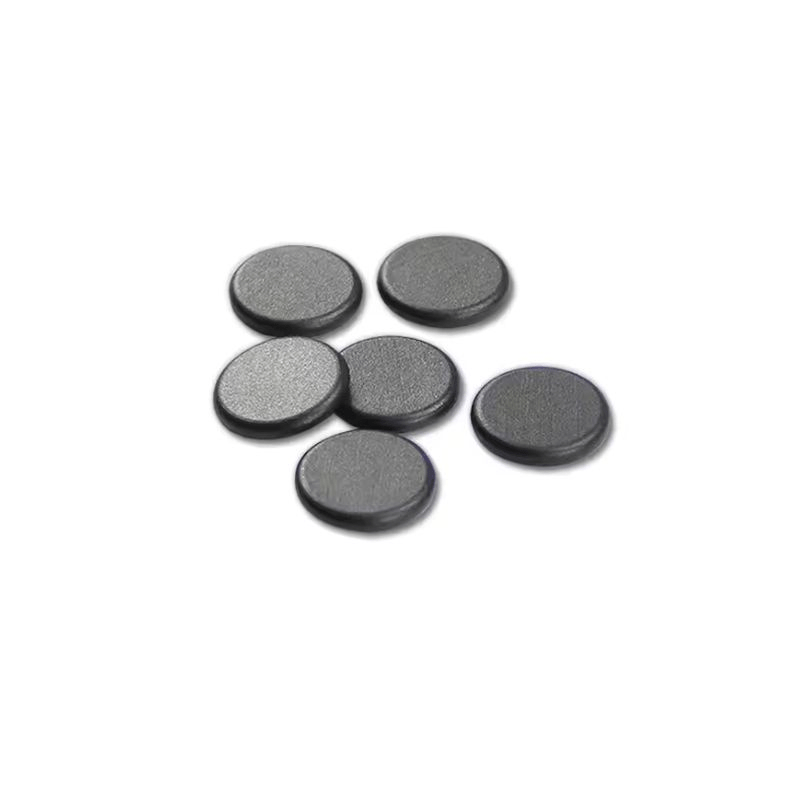
When it comes to choosing the right RFID tags for your business, there’s no one-size-fits-all answer. The decision often comes down to the specific needs of your operations—whether you’re tracking inventory, managing assets, or ensuring secure access control. Two of the most common RFID frequencies are 13.56 MHz and 125 kHz, and each has its own set of advantages and drawbacks.
In this article, we’ll dive deep into both types of RFID tags to help you understand which is the best fit for your business. We’ll explore the differences in frequency, performance, security, and applications of 13.56 MHz and 125 kHz RFID tags, so you can make an informed decision.
Introduction to RFID Technology
Before we compare the two frequencies, it’s important to understand what RFID tags are and how they work. RFID (Radio Frequency Identification) is a technology that uses electromagnetic fields to automatically identify and track tags attached to objects. These tags contain data that can be read from a distance by RFID readers, making them invaluable in various industries for inventory management, access control, and asset tracking.
What Are RFID Tags?
RFID tags are small devices that store data and can be read by an RFID reader without the need for physical contact. These tags can be classified into three categories: Active RFID tags, Passive RFID tags, and Semi-passive RFID tags. The key difference lies in how they are powered. Passive RFID Tags don’t have an internal power source and rely on the radio waves emitted by the RFID reader to power the chip inside the tag. This makes passive tags more affordable and durable, making them the choice for most business applications.
Types of RFID Tags
RFID tags can be distinguished by their frequency range, with the most common being low-frequency (125 kHz), high-frequency (13.56 MHz), and ultra-high-frequency (UHF). The choice of frequency impacts the performance, range, and security of the RFID system, which is why selecting the right frequency for your needs is essential.
Overview of 13.56 MHz RFID Tags
13.56 MHz RFID tags operate in the high-frequency range and are widely used in various industries. These tags offer faster data transfer speeds and better security features compared to their low-frequency counterparts.
Frequency and Range of 13.56 MHz RFID Tags
The 13.56 MHz frequency offers a moderate range, typically between 10 cm and 1 meter, depending on the reader and the environment. This range is sufficient for most applications, including access control and inventory management in retail and libraries.
Key Features of 13.56 MHz RFID Tags
13.56 MHz RFID tags are known for their superior data transfer speed and enhanced security protocols. Let’s break down some of their key features:
Data Transfer Speed and Security
One of the standout features of 13.56 MHz RFID tags is their faster data transfer speed. This makes them ideal for applications requiring quick transactions, such as contactless payments or time tracking. Additionally, these tags often come with built-in security features like encryption, which provides a higher level of protection against data breaches.
Applications of 13.56 MHz RFID Tags
13.56 MHz RFID tags are commonly used in applications that require quick, secure data exchange. Some common uses include:
- Access Control: For secure entry to buildings or rooms.
- Library Management: For managing book check-outs and returns.
- Payment Systems: Contactless payments via smart cards.
- Asset Tracking: To track high-value equipment in warehouses or hospitals.
Overview of 125 kHz RFID Tags
125 kHz RFID tags operate in the low-frequency range and are one of the oldest and most widely used types of RFID tags. These tags offer reliable performance, though they come with some trade-offs when compared to their higher-frequency counterparts.
Frequency and Range of 125 kHz RFID Tags
125 kHz RFID tags typically have a shorter range than 13.56 MHz tags, usually around 5 cm to 10 cm. This makes them more suitable for close-range applications where long-distance reading is not necessary.
Key Features of 125 kHz RFID Tags
125 kHz RFID tags are known for their simplicity and durability. They are relatively cheap to produce and perform well in environments where the conditions may not be ideal.
Durability and Environmental Resistance
125 kHz RFID tags are often more robust and less susceptible to interference from metals or liquids. This makes them a good choice for use in harsh environments, such as outdoor applications or in factories.
Applications of 125 kHz RFID Tags
Common uses for 125 kHz RFID tags include:
- Access Control: For entry systems in offices and gates.
- Pet Tracking: For animal identification in pet shelters or veterinary clinics.
- Asset Tracking: Basic asset tracking in warehouses or industrial settings.
Comparing 13.56 MHz and 125 kHz RFID Tags
Now, let’s compare the two RFID types to help you make a better decision for your business.
Range and Performance
While 125 kHz RFID tags have a shorter range, they are generally more reliable in environments with metal or water, where higher-frequency signals might get disrupted. 13.56 MHz RFID tags, on the other hand, offer better speed and can handle more data, which is ideal for applications requiring fast, frequent interactions.
Cost Considerations
125 kHz RFID tags tend to be more affordable due to their simpler design and less advanced features. In contrast, 13.56 MHz RFID tags are more expensive but offer better performance and security. If budget is a concern and your business doesn’t require the high-speed data transfer or enhanced security features of 13.56 MHz, 125 kHz might be a more economical option.
Security and Data Protection
When it comes to security, 13.56 MHz RFID tags generally have the upper hand. These tags can incorporate advanced encryption and authentication features, making them ideal for applications that involve sensitive data, such as contactless payments or secure access systems. In comparison, 125 kHz RFID tags offer minimal security features, which may make them less suitable for high-security environments.
Which RFID Tag Is Best for Your Business?
Choosing between 13.56 MHz and 125 kHz RFID tags depends on the specific needs of your business. Let’s break down some key factors to help you decide:
Factors to Consider When Choosing RFID Tags
- Range: If you need a longer range for applications like inventory management or access control, 13.56 MHz RFID tags are the better option. However, if your application requires close-range reading, 125 kHz RFID tags may suffice.
- Data Transfer Speed: If your business needs to process a high volume of transactions quickly, such as in payment systems or time tracking, 13.56 MHz RFID tags offer faster data transfer speeds.
- Cost: For businesses on a budget, 125 kHz RFID tags provide a more cost-effective solution, especially for basic asset tracking or access control.
- Environment: Consider the conditions in which the RFID tags will be used. If your business operates in a harsh environment, 125 kHz tags may be more durable and resistant to interference from water or metal.
Industry-Specific Recommendations
- Retail: 13.56 MHz RFID tags are ideal for managing inventory and providing contactless payment options.
- Security: 13.56 MHz RFID tags are preferable for high-security applications like access control due to their enhanced encryption capabilities.
- Manufacturing and Warehousing: 125 kHz RFID tags are often sufficient for asset tracking in environments where speed isn’t critical and conditions are tough.
Conclusion
When choosing between 13.56 MHz and 125 kHz RFID tags, the right choice ultimately depends on your business’s needs. If speed, security, and range are important factors, then 13.56 MHz RFID tags are the better option. On the other hand, if you need a cost-effective solution for basic applications in harsh environments, 125 kHz RFID tags might be the way to go.
Understanding the differences between these two types of RFID tags can help you make an informed decision that will improve the efficiency of your operations and ultimately support your business goals.
 Tyot Blog
Leave a comment